
Characters
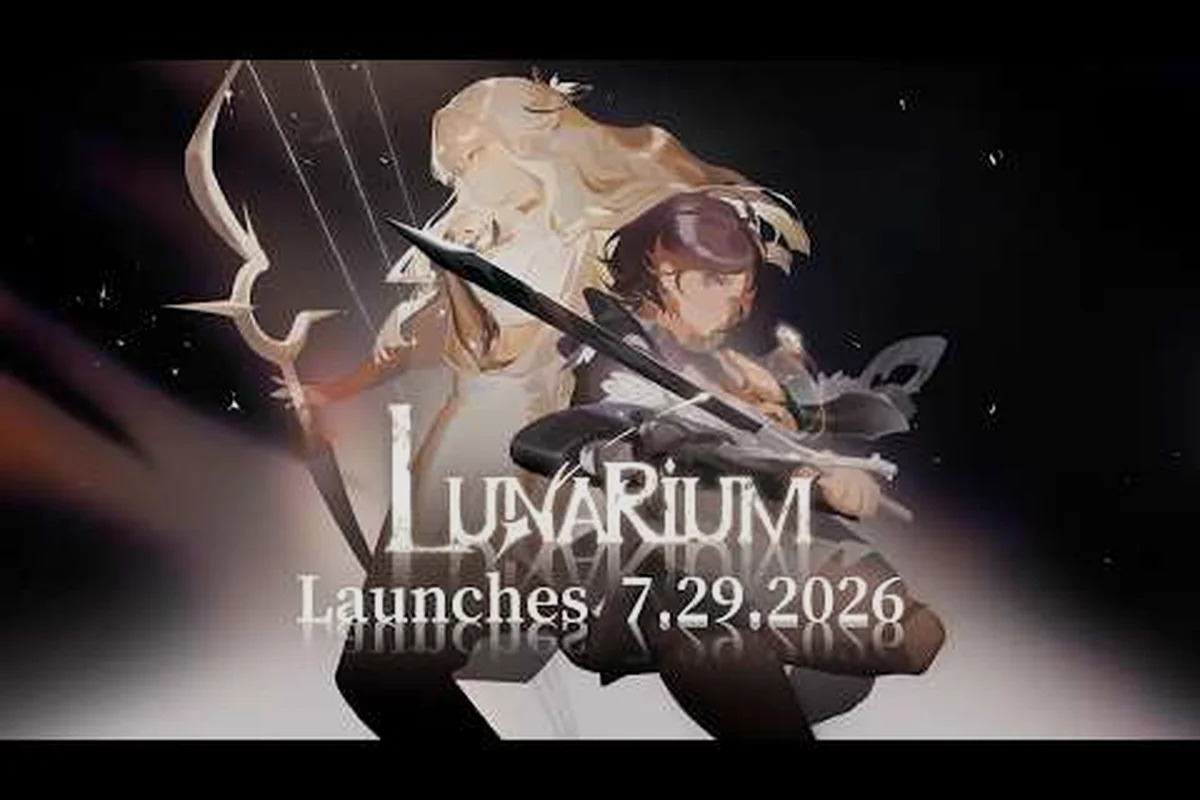
Meet Ave, the light-armored straight-sword knight, and Lune, the mysterious Starfarer whose magic supports combat and opens paths through the world.
Introduction
Ave and Lune are not separate roster picks — they are a permanently co-controlled duo whose bond defines Lunarium's combat identity. Ave is the light-armored straight-sword knight who handles melee aggression, dodges, and precise parries; Lune is the Starfarer companion whose magic provides enemy debuffs, Ave buffs, magic pressure, and obstacle breaking. Both are present in every encounter, and their cooperation is what makes the Sekiro-like rhythm readable. The cards below break down each protagonist's role, their weapon style, and the bond mechanic that escalates their combined damage when fighting near each other. Tier discussions and faction synergies are reserved for the dedicated guides linked from this hub.
Characters Highlights
Ave
Playable melee protagonist. Precision sword attacks and parries. This overview connects the quick-reference row to practical route planning, encounter preparation, and progression choices without replacing the full article.
Lune
Starfarer companion. Debuffs, buffs, magic, obstacle breaking. This overview connects the quick-reference row to practical route planning, encounter preparation, and progression choices without replacing the full article.
Their Bond
Shared journey and combat synergy. Coordinated pressure and narrative growth. This overview connects the quick-reference row to practical route planning, encounter preparation, and progression choices without replacing the full article.
Core Mechanics
Meet Ave, the light-armored straight-sword knight, and Lune, the mysterious Starfarer whose magic supports combat and opens paths through the world. Lunarium rewards observation and deliberate preparation rather than blind repetition. Use this section to understand how the category connects to parry timing, Ave and Lune’s complementary roles, exploration order, and the Skill Tree–Cloak–Embroidery progression loop. Verify low-confidence names and future content against current in-game data and official developer announcements.
Advantages
A structured reference reduces wasted experimentation and makes it easier to prepare before entering a new region or difficult encounter. Comparing goals, mechanics, and recommended routes side by side helps new players identify immediate priorities while giving completion-focused players a reliable checklist. Every recommendation remains flexible enough to support defensive, agile, magic-assisted, and parry-centered approaches.
Challenges
Only two protagonists — Ave and Lune — exist in the active roster, so character discussion is structurally narrow. Without layered jobs or branching skill paths, tier-list debate is muted, and most character content leans into bond-mechanic explanation rather than competing-build comparison. The wiki is therefore limited in how many distinct archetypes it can present: once you understand Ave's straight-sword rhythm and Lune's Starfarer support, additional content becomes iteration rather than novelty. Players looking for deep roster mechanics typical of gacha RPGs will find the character hub intentionally small and may need to focus instead on Cloak and Embroidery guides for long-term build variety.
Frequently Asked Questions
Where should I start with characters?+
How often is the characters information updated?+
Are the rankings and names official?+
Quick Tips
Read the overview before committing resources. Lunarium links combat, exploration, and progression closely, so a decision in characters may affect boss preparation, collectible access, or the route through the next region.
Use a stable checkpoint as your baseline, change one variable at a time, and compare the outcome. This makes it easier to learn parry rhythm, judge a Cloak or Embroidery effect, and separate equipment improvements from simple practice.
Keep notes on version-sensitive discoveries and revisit official announcements after patches. A newly fixed issue or balance change can invalidate old advice, especially around performance, encounter behavior, and future-content speculation.
Featured
Lunarium Hero Elements: Complete Element Types Guide
Master the Lunarium hero elements and element types. Learn how the Lunarium element system impacts your 17-hero roster, factions, and party composition.
Lunarium Heroes Tier List: Best Character Ranking Guide
Master the Lunarium heroes tier list with our ranking of all two protagonists. Discover the best heroes, faction synergies, and role compositions for your party.
Lunarium Lithora Archive Region Guide: Cloak Schematics & Starfarer Lore
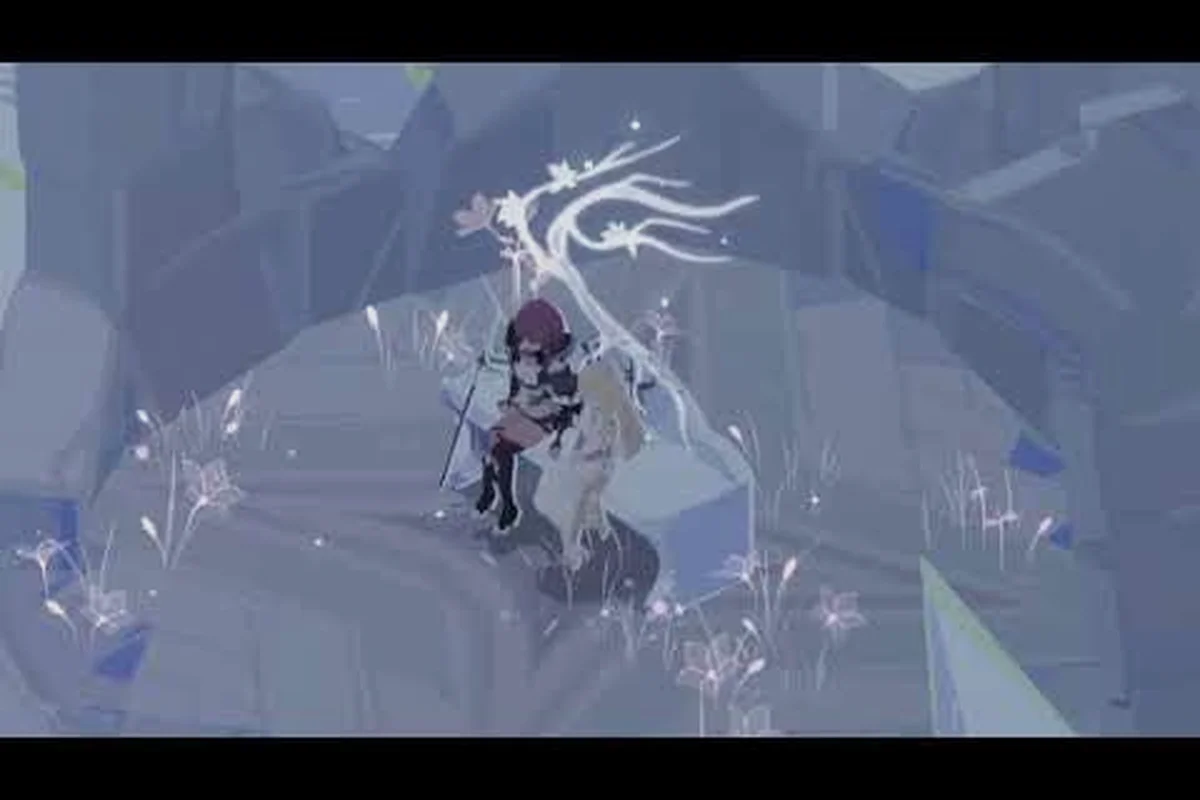
Explore Lunarium's Lithora Archive—the second main region. Learn how to navigate the temple, unlock new Cloaks, and discover Starfarer memory chapters.
All Articles
Lunarium Paradise Region Guide: Final Act Cloaks and Endings
Explore Lunarium's Paradise region—the final area. Learn the cloaks, embroidery combinations, and Memory Shard chains that determine which ending you unlock.
Lunarium S Tier Heroes: Best S Heroes & Top Tier List
Discover the Lunarium S tier heroes and best S heroes in our top tier list. Master party composition with Starfall Knight, Lithora Archive, and Paradise Concord factions today.
Lunarium Starfall Village Region Guide: First Steps in Lunarium
Master Lunarium's Starfall Village—the starting region. Learn the area layout, early cloak and embroidery rewards, and how Ave and Lune begin their journey.